The Elements


Beams · Product Designer · 2022
The best version of a focus product doesn't just block distractions — it accounts for the way attention slips from within. I helped Beams' founders see where Focus Mode, their core feature, fell short of its ambition, and showed them what the product could become.
The Elements started by questioning one of the category's core assumptions. expressed through a system blueprint and exploratory interface designs.
ACHIEVEMENTS
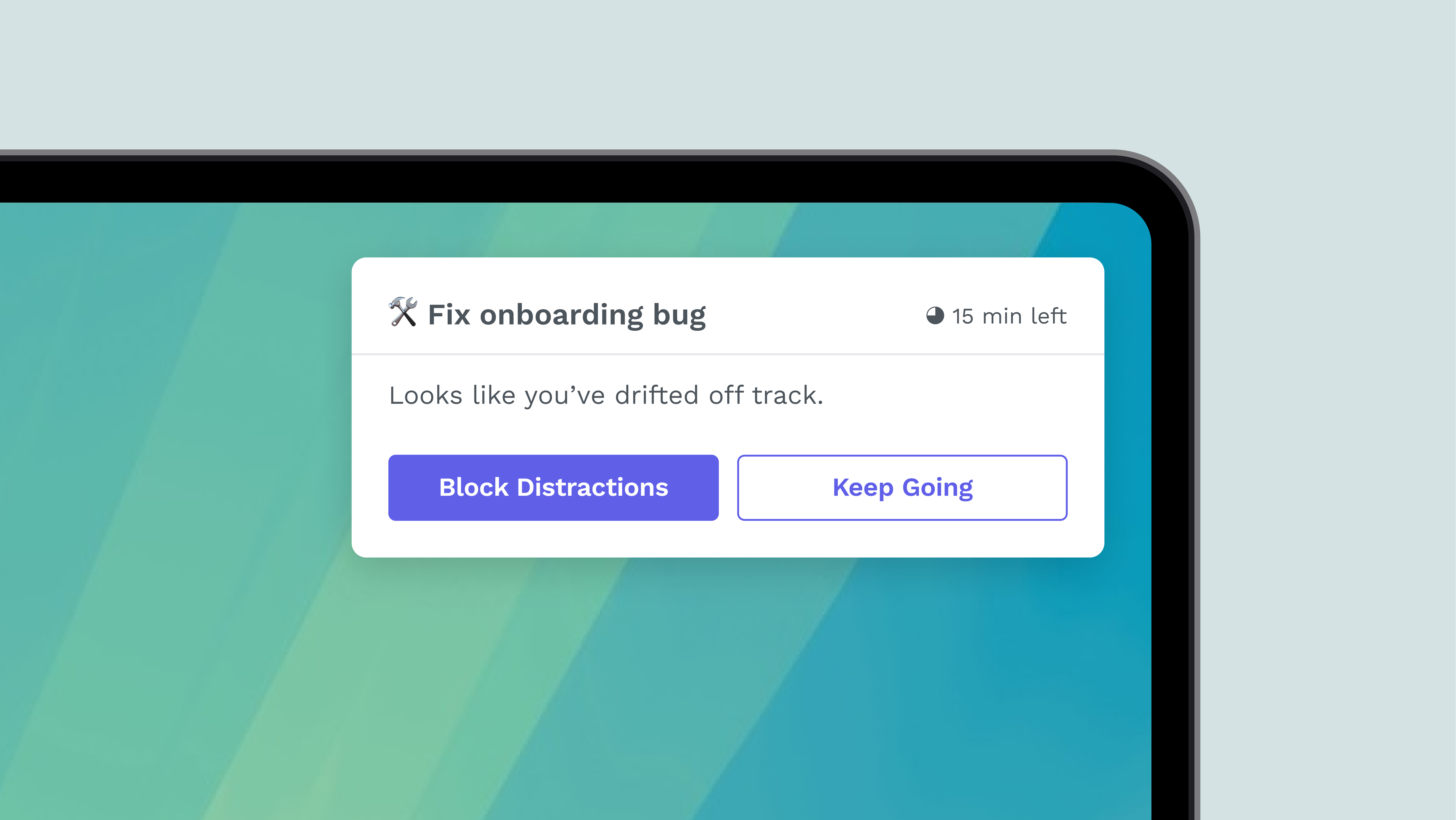
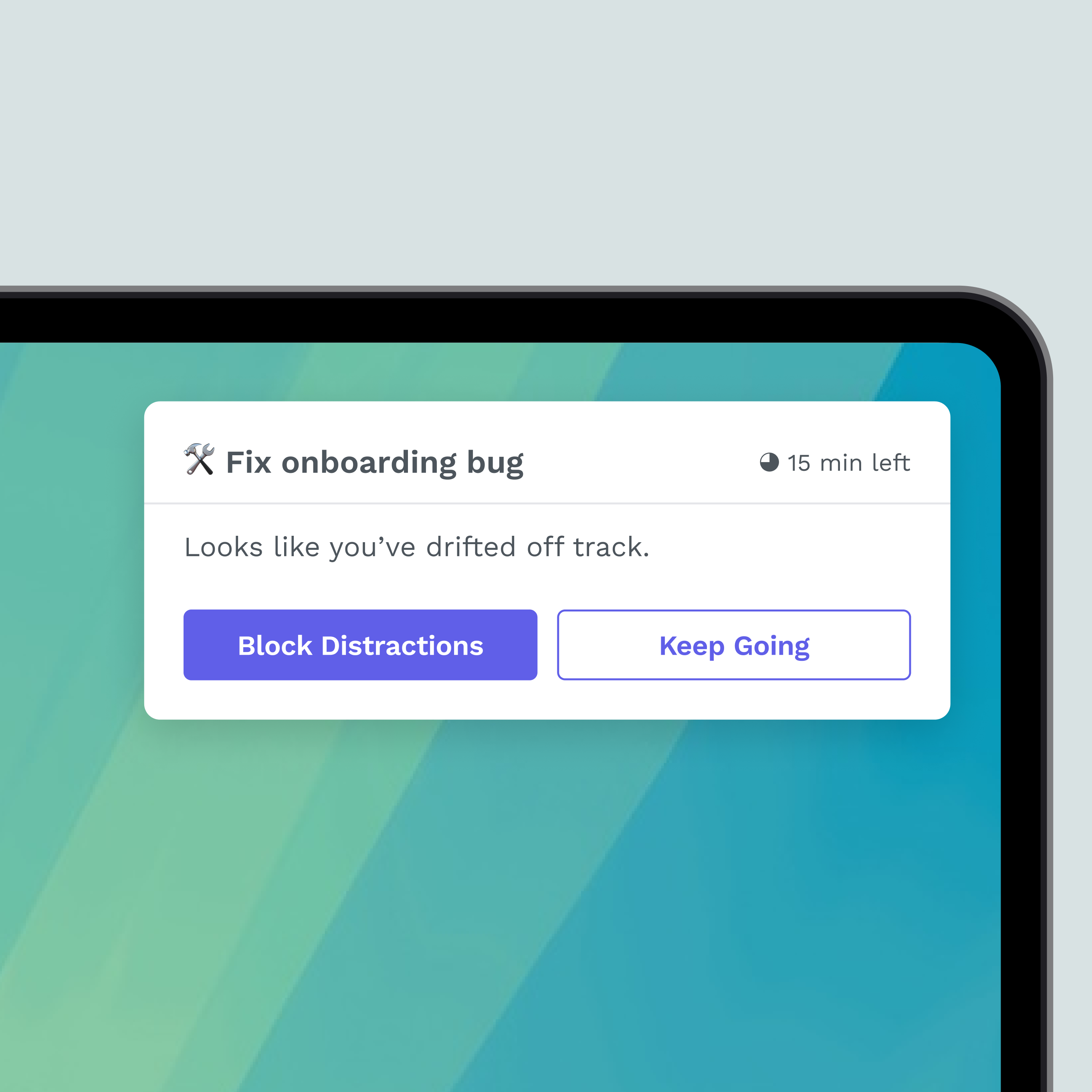
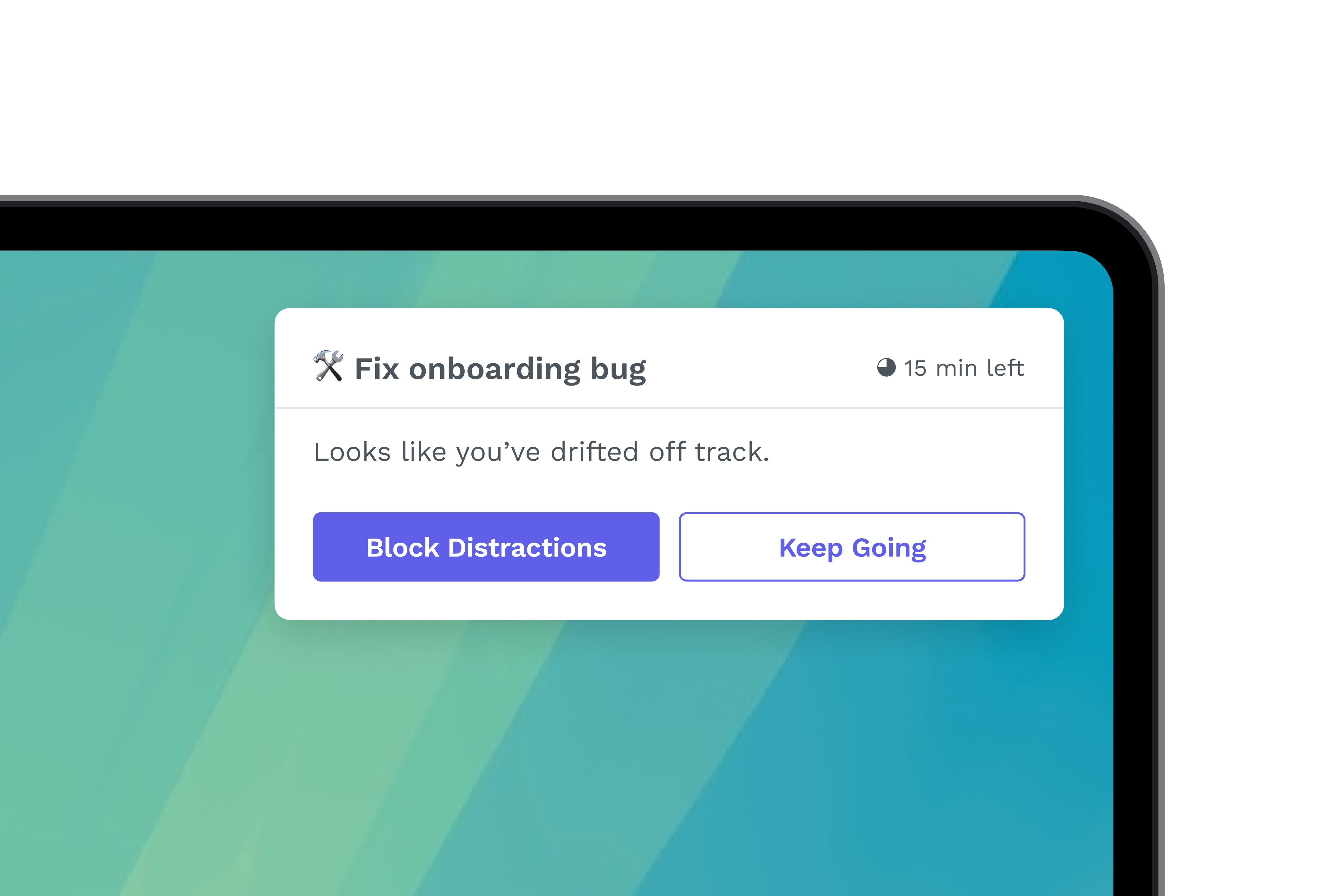

Beams were funded to explore the 'mindful productivity' space.
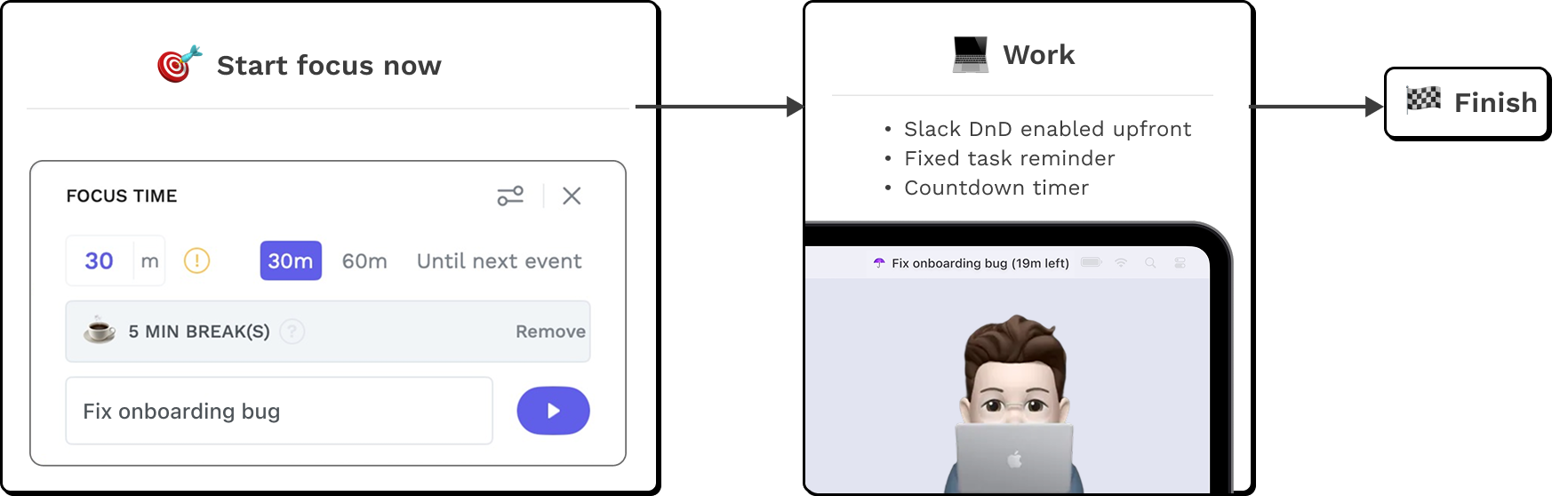
“Focus Mode” combined intention setting, timers, and do not disturb.
Fewer than 10% of testers completed more than one session.
Lorem ipsum dolor sit amet, consectetur adipiscing elit. Suspendisse varius enim in eros elementum tristique.
Lorem ipsum dolor sit amet, consectetur adipiscing elit. Suspendisse varius enim in eros elementum tristique.
Lorem ipsum dolor sit amet, consectetur adipiscing elit. Suspendisse varius enim in eros elementum tristique.
.png)
DISCOVERY PROCESS


1
2
3
.png)


✦

Reviewing the Product
Product Audit: The MVP treated Focus as something to be set upfront and maintained. But limited environmental controls and flexibility compromised the user experience.
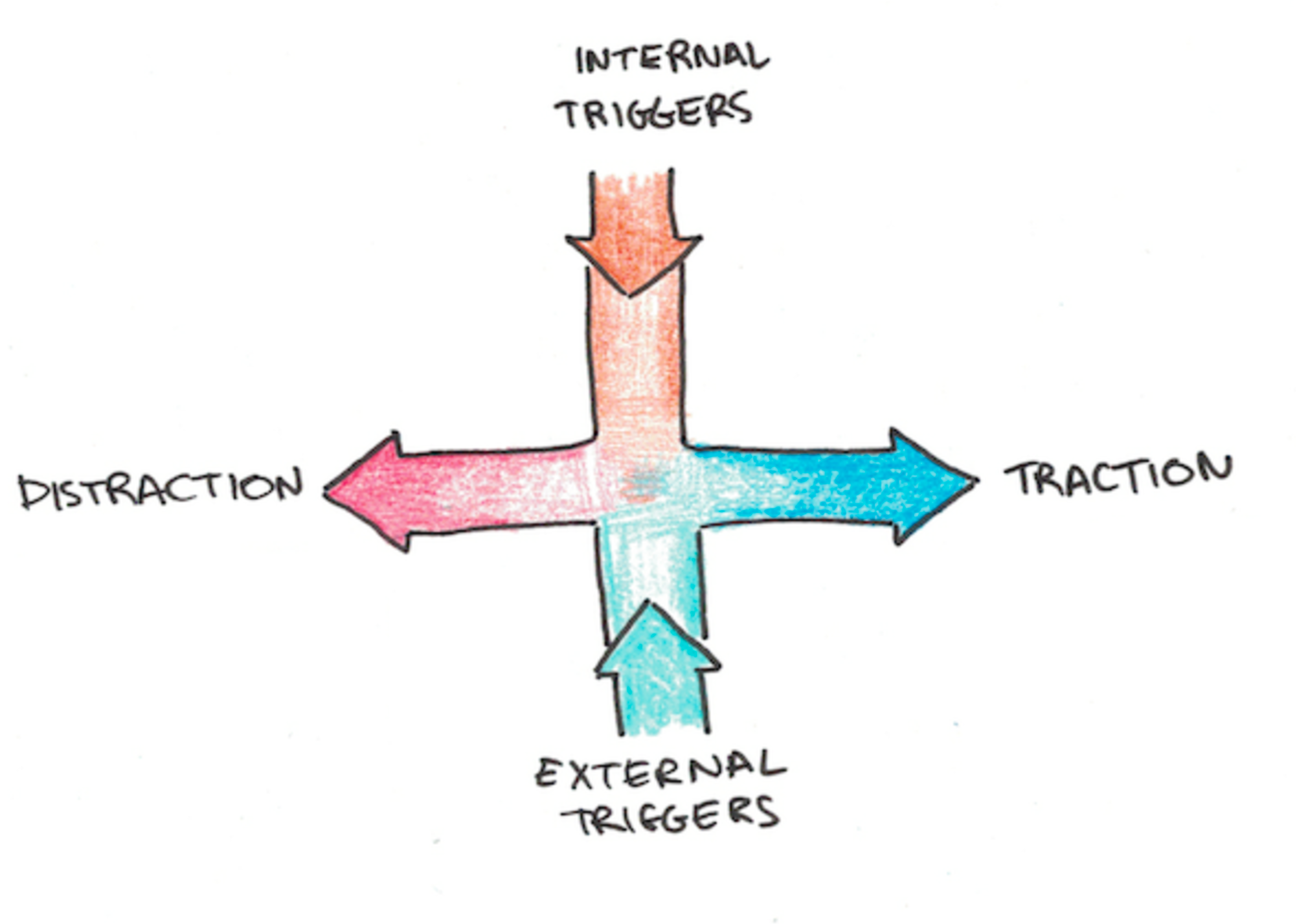
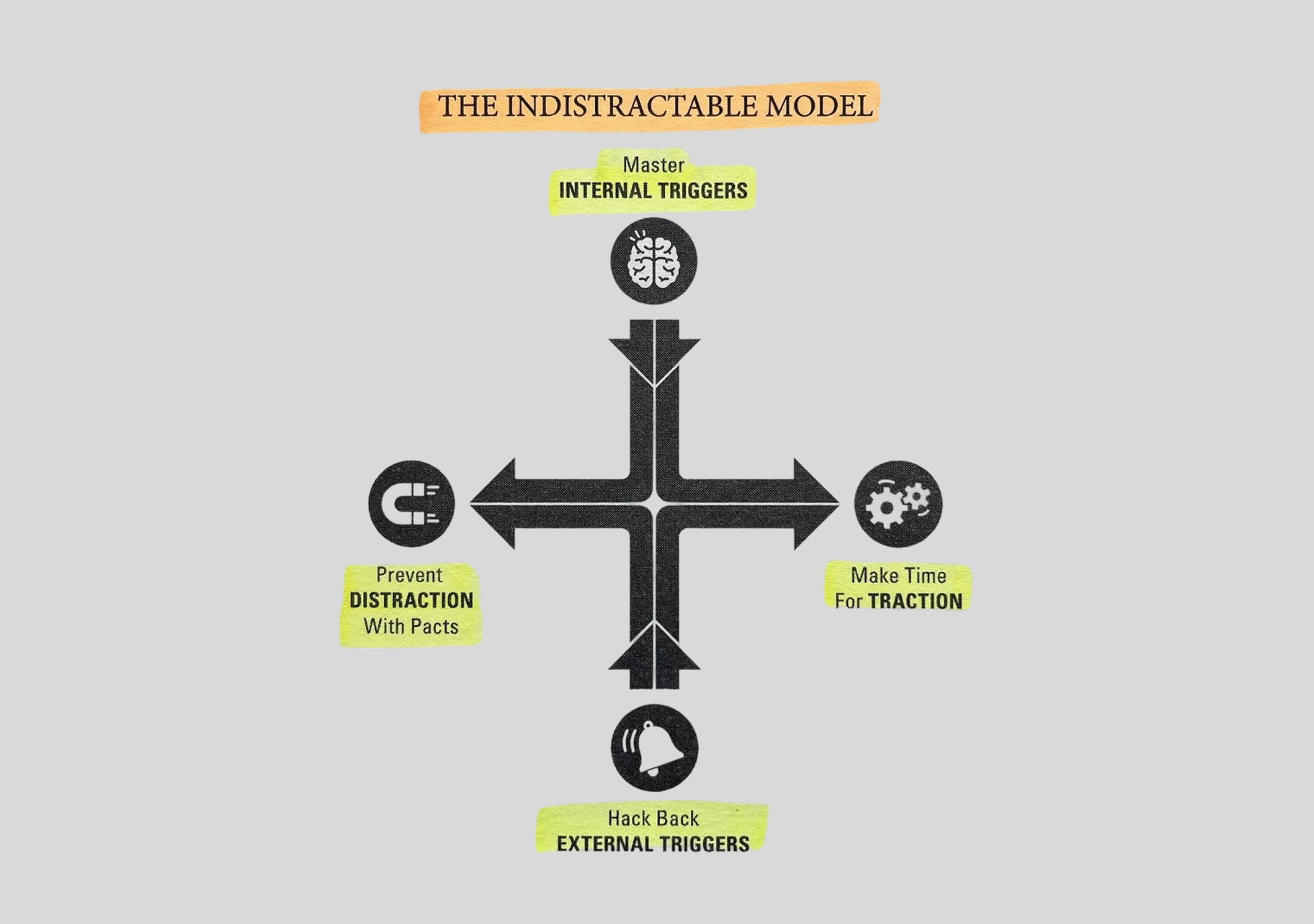
Behavioural Research: frameworks show that distraction arises both from within and without, and is best managed through complementary strategies.
Comparing new approaches to supporting focus
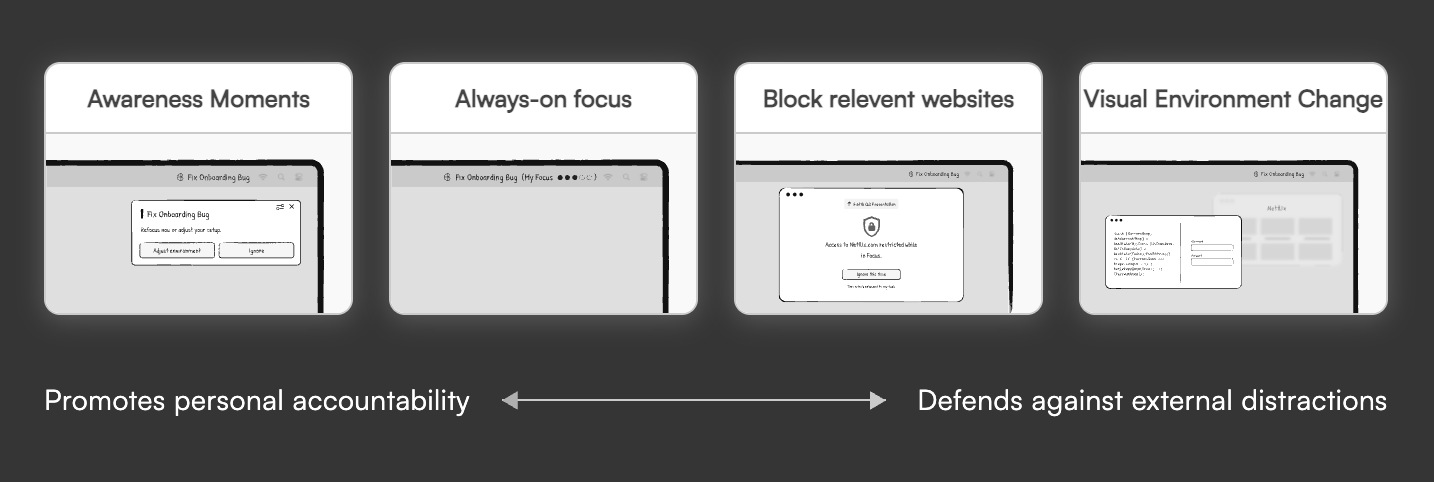
To explore what effective support might look like, I developed and tested four behaviourally informed concepts. Each introduced different ways of helping users stay aligned with their task. These were assessed in terms of perceived usefulness, value, and intrusiveness.
Key finding:
Concepts that surfaced attention drift were seen as more differentiated and worth paying for, while external distraction controls felt familiar and less compelling.

3 research artifacts available on desktop
%201.svg)
Focus Mode's design suggested a narrow framing of the problem - treating distraciton as something external, to be managed by controlling the environment.

To better understand focus and distraction, I turned to behavioural frameworks. In Indistractable, Nir Eyal writes:
While we love to blame external triggers...most of our distractions begin from within
This reinforced my suspicion that we were conceiving the problem too narrowly and provided inspiration for concept testing.

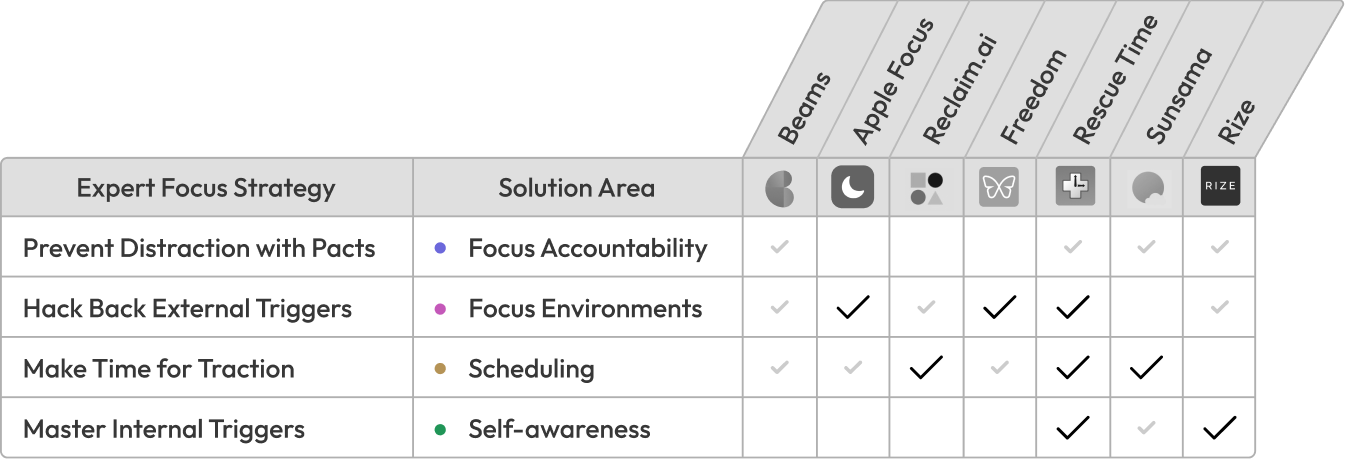
This misalignment wasn't just theoretical, it was reflected in the tools available.
Awareness moments
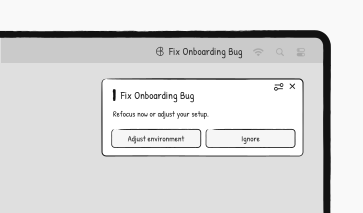
Always-on focus
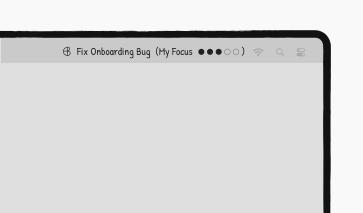
Block irrelevent websites

Visual Environment Change
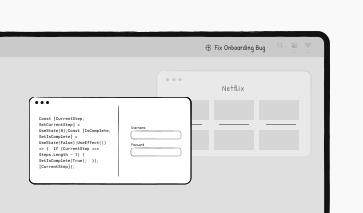
Promotes personal accountability


Defends against external distractions
Awareness Moments
Always-on focus
Block relevent websites
Visual Change
Promotes personal accountability
Defends against external distractions
Defining Focus Mode 2.0
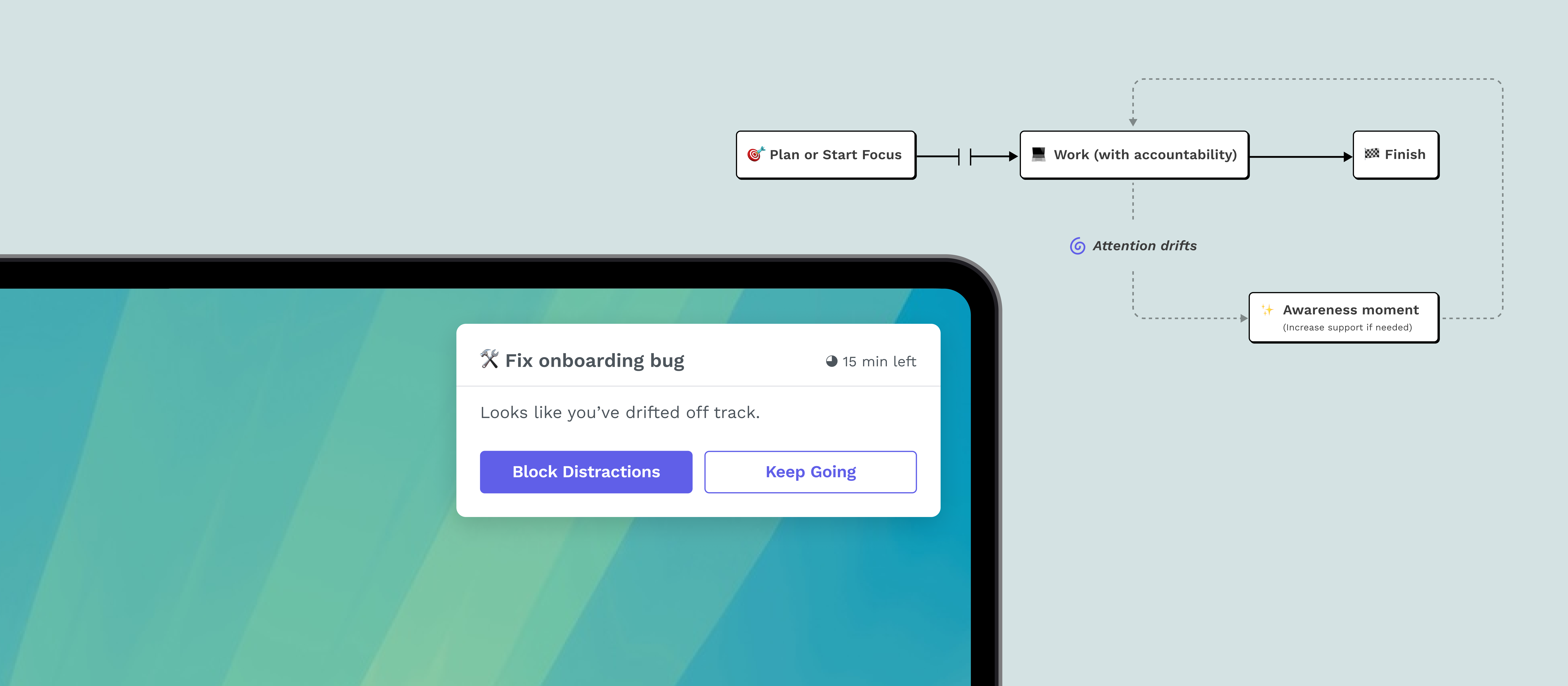
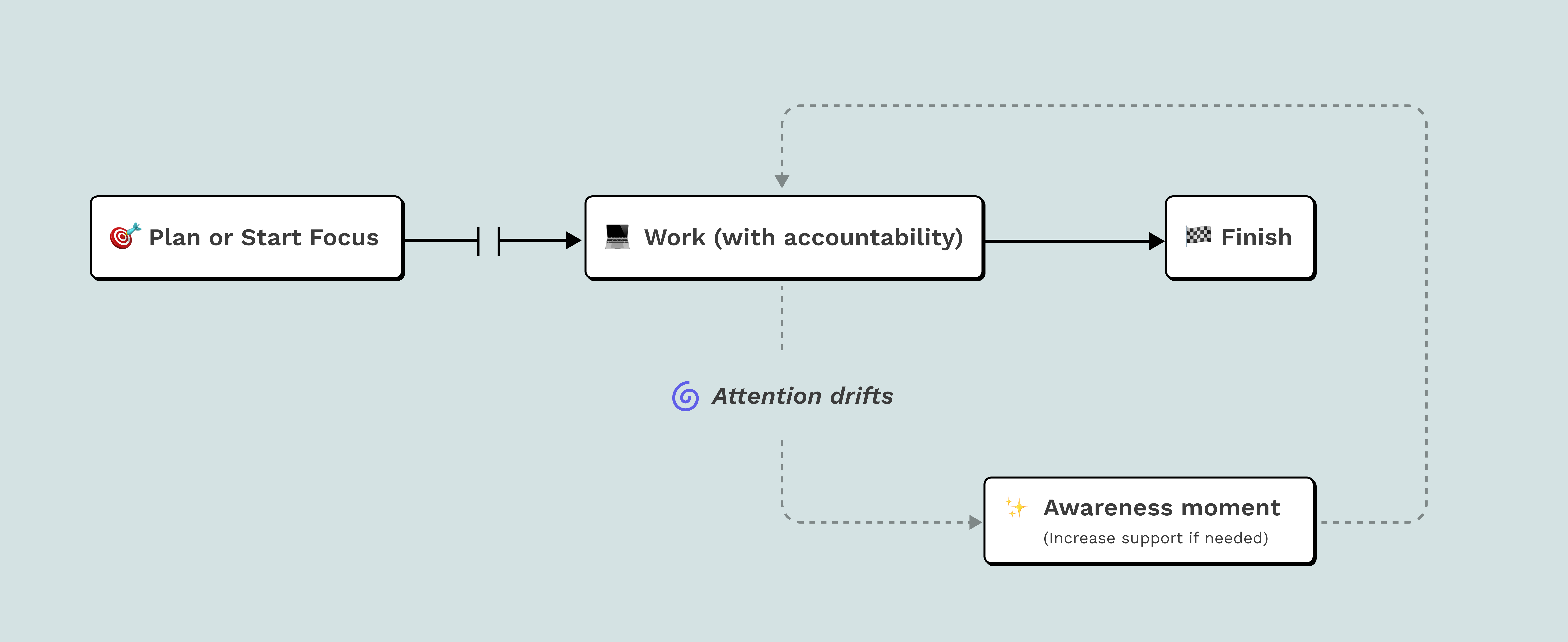
Building on these findings, I reimagined Focus Mode as a system that supports users throughout the workflow, helping them stay aligned with their intent by monitoring behaviour and intervening when attention drifts.

Realises the potential of the original concept
Builds on the startup's early ideas around intention-setting and external distraction surpression.
Addresses a gap in existing focus tools
Most focus tools address external distractions, leaving internally driven focus breakdowns unaddressed.
Behaviourally-aligned
Escalates support only when needed rather than defaulting to restriction.
Adaptive Focus Blueprint
Adaptive Focus Blueprint
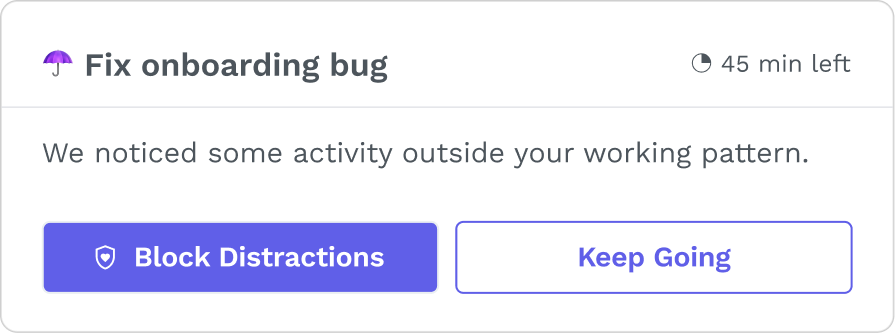
The system escalates restriction if drift continues.
The system escalates restriction if drift continues.
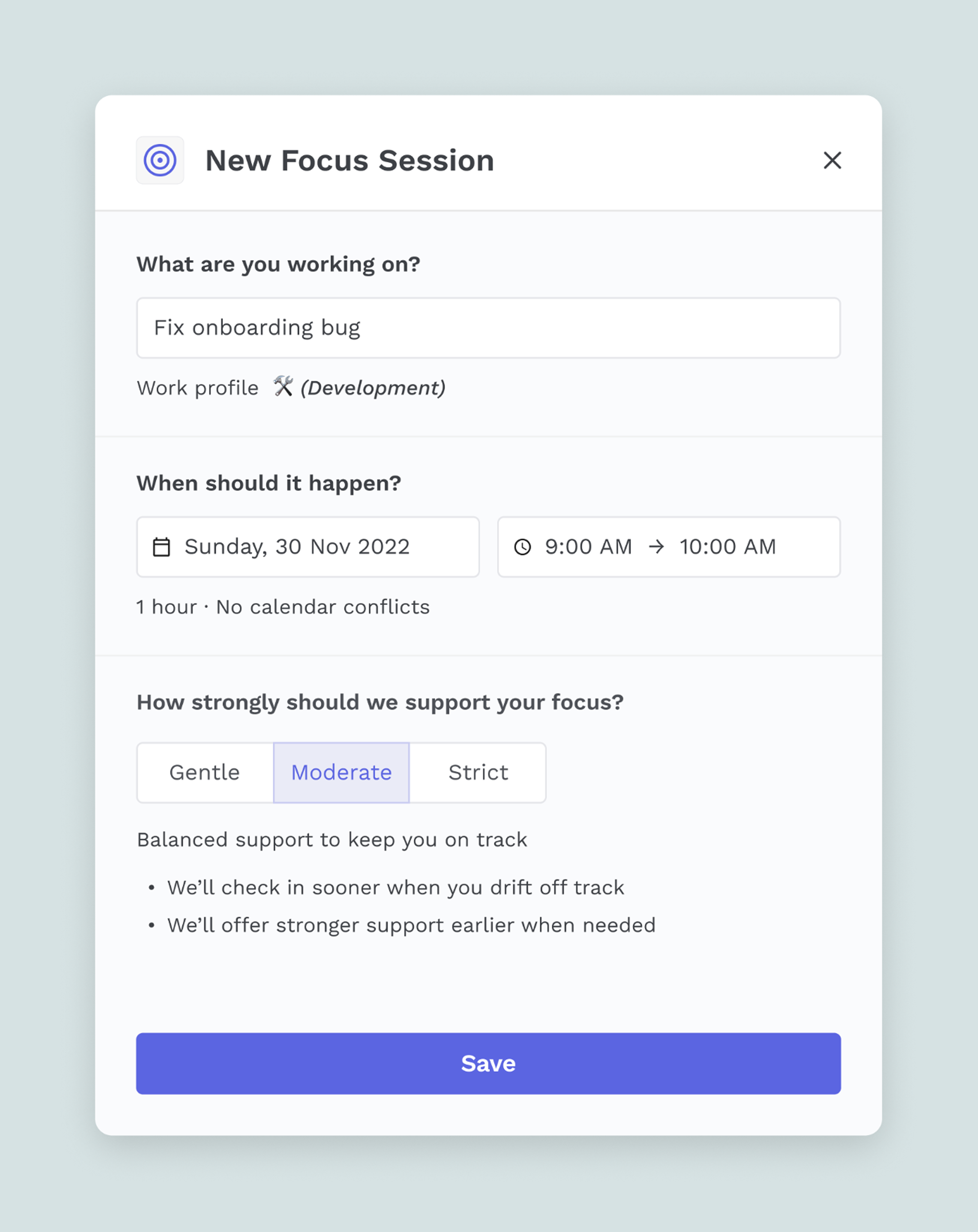
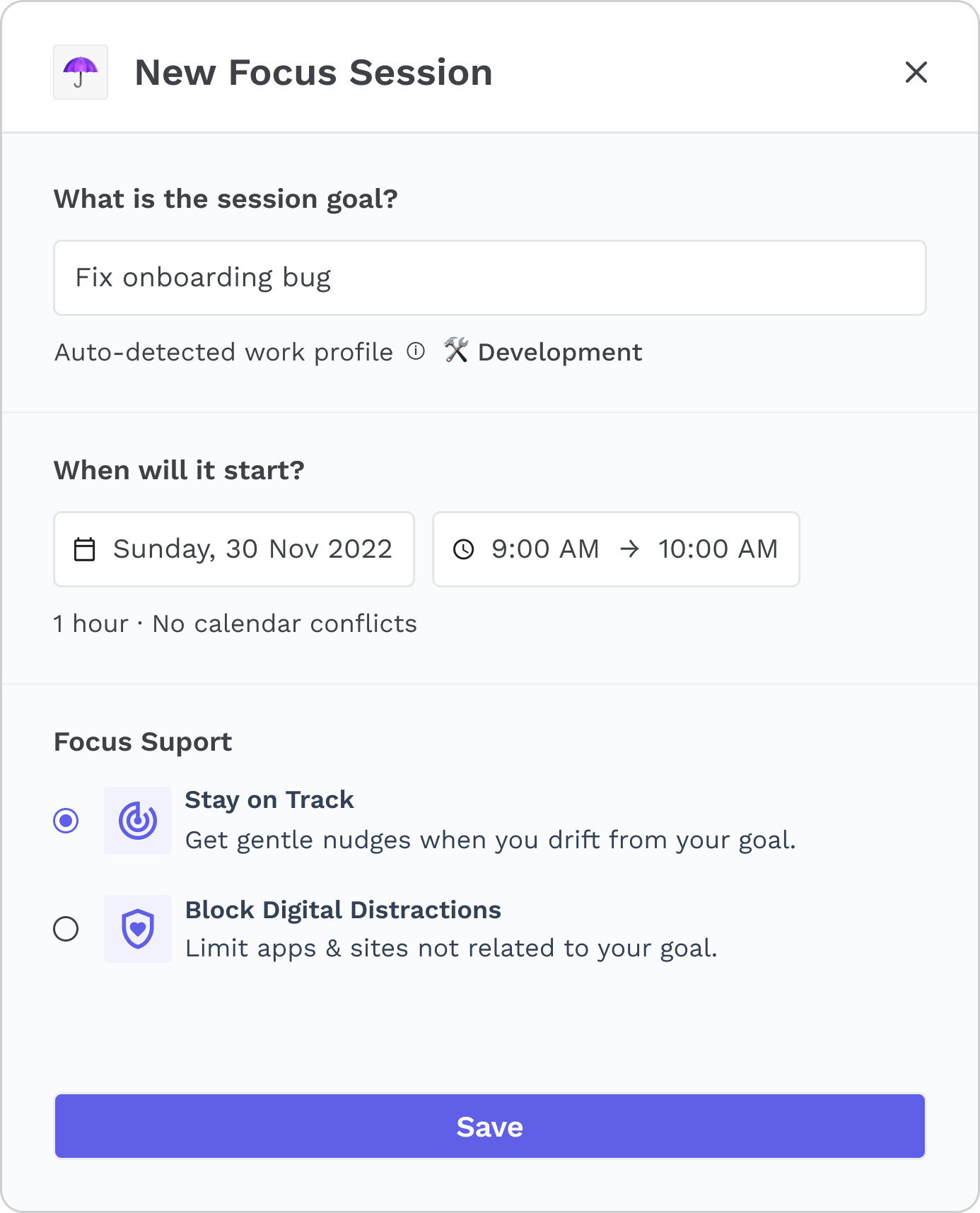
1. Define intent upfront
Users define their intent upfront, allowing the system to assess behaviour against it.
Users define their intent upfront enabling behaviour monitoring
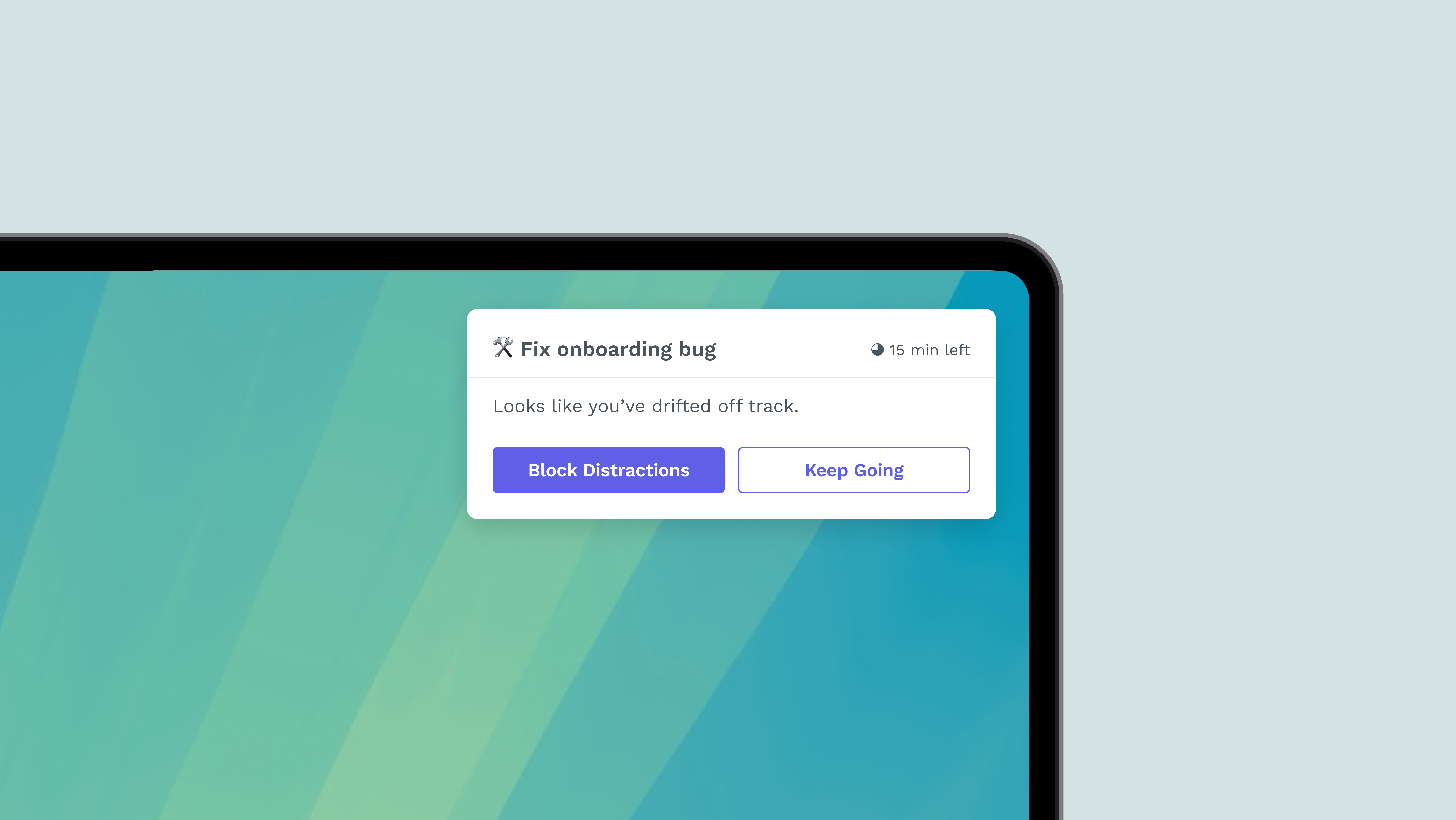
2. Intervene when attentinon drifts
Timely interventions help users realign.
Timely interventions help users realign.
Project pause and handoff
When the team paused discovery due to the 2022 stock market decline, I left them a clear direction covering feasibility, risks, and the next steps to validate it —ready to return to.


Signal quality
Even when distraction is present, prompts may feel disruptive or punishing.
Privacy
Monitoring application and window behaviour may feel invasive to some users.
Reflection
Ultimately, the team pivoted to an entirely different direction, moving away from behavioural focus support and mindful productivity altogether. However, the market opportunity for differentiated focus tools is significant, and this direction warrants revisiting. AI capabilities now make it more viable than ever.


Why Focus Mode Failed
I argued that the core idea — helping users commit to a single task — set the product apart and was worth building on. The problem lay in how focus was supported once a task was defined.
Investigation included Product audit, behavioural research, competitor review
3 research artifacts available on desktop
Focus Mode's design suggested a narrow framing of the problem - treating distraciton as something external, to be managed by controlling the environment.
To better understand focus and distraction, I turned to behavioural frameworks. In Indistractable, Nir Eyal writes:
While we love to blame external triggers...most of our distractions begin from within
This reinforced my suspicion that we were conceiving the problem too narrowly and provided inspiration for concept testing.
This misalignment wasn't just theoretical, it was reflected in the tools available.